

News
InnoFuture Bridge 2026: Disruption is an opportunity for those ready to embrace change
Lars Faeste, CEO of the Conscia Group, highlighted how, in times of profound change, security, digital sovereignty and resilience are no longer simply essential safeguards, but increasingly important drivers of business growth and competitiveness.
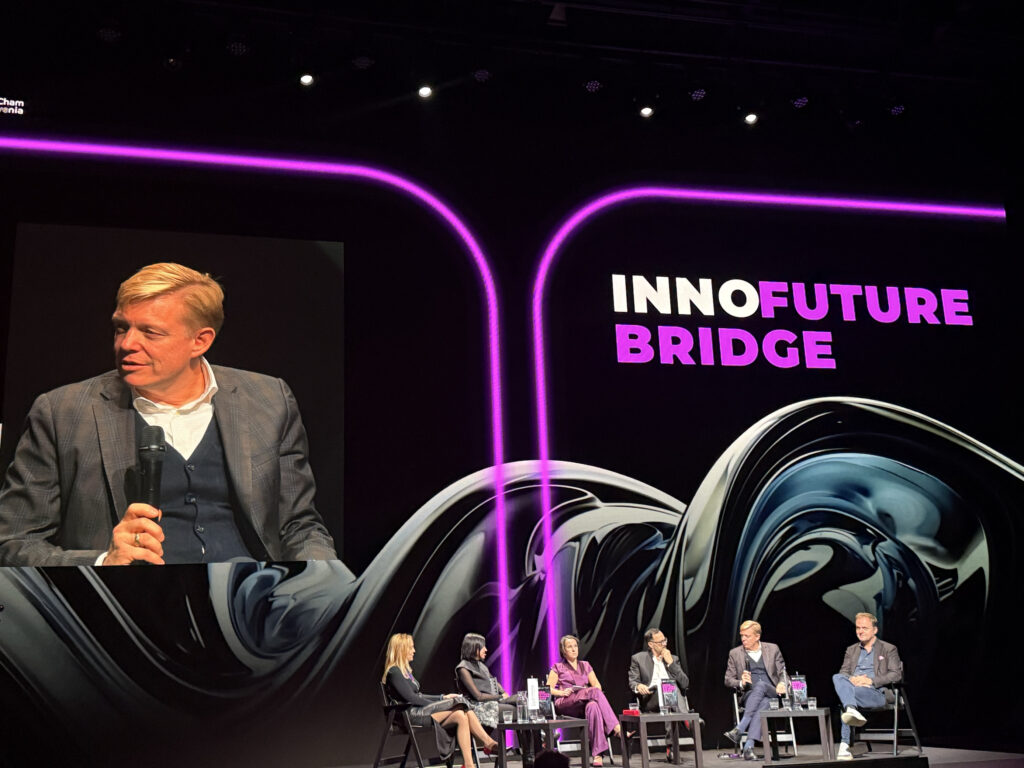
NIL, part of the Conscia Group, supported the international InnoFuture Bridge 2026 event, which brought together leading representatives from business, technology, science and entrepreneurship in Ljubljana. Among the speakers was Lars Faeste, CEO of the Conscia Group, who highlighted how, in times of profound change, security, digital sovereignty and resilience are no longer simply essential safeguards, but increasingly important drivers of business growth and competitiveness.
How do you succeed in a world where stability can no longer be taken for granted?
How do you lead a business in an environment where conditions are changing faster than ever before? How can organisations harness the potential of artificial intelligence and other technological breakthroughs while managing the risks they bring? And how can they prepare for a future that cannot be predicted with certainty? These were the central questions addressed at InnoFuture Bridge, which opened up a discussion on the future of business and society under the theme The Future, In Hours – Not Years.
Disruption is not just a threat, but also an opportunity
At the heart of the opening discussion, What’s Next? How to Win in the Post-Stability Economy, was the ability of organisations not merely to respond to change, but to turn it into an opportunity for growth.
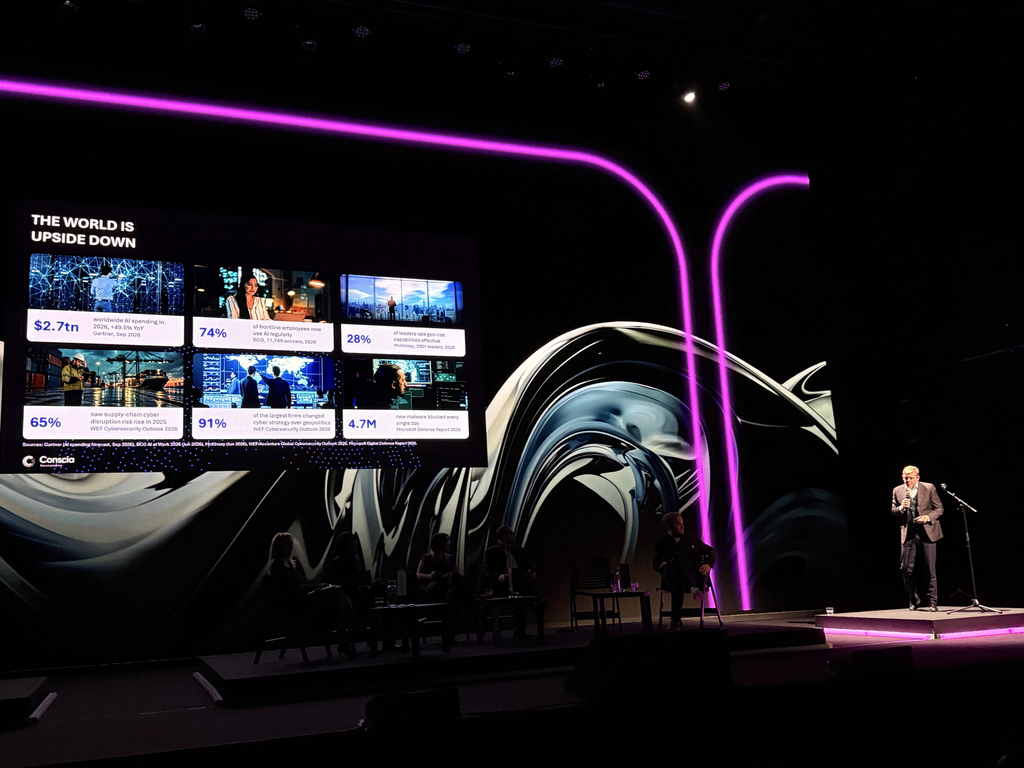
In his presentation, Lars Faeste highlighted the increasingly interconnected nature of geopolitical tensions, artificial intelligence, cyber threats and supply chain disruptions, all of which have a direct impact on the digital infrastructure on which businesses, economies and society now depend.
According to Gartner forecasts, global spending on artificial intelligence is expected to reach USD 2.7 trillion in 2026, almost 50% higher than the previous year. At the same time, cyber risks are increasing, geopolitical uncertainty is influencing business decisions, and supply chain disruptions are becoming an increasingly significant source of risk.
Despite these challenges, Faeste remains optimistic about the future. He believes business leaders must also view disruption as an opportunity to develop new business models and gain a competitive advantage.
Faeste emphasised:
We should not see disruption solely as a threat that we need to protect ourselves against. The best leaders are thinking about how they can actively turn it to their advantage. They are not just asking how to manage the risks, but also identifying the new business opportunities that emerge alongside them
This is particularly relevant to cybersecurity and digital sovereignty, which, in his view, are no longer responsibilities that can be left solely to IT departments. They are strategic business issues that require the attention of decision-makers. Beyond protecting their systems, organisations must also recognise the opportunities that security, reliability and trust can create.
Trust and resilience as foundations for progress
Digital sovereignty does not necessarily mean that businesses and countries must develop all their own technologies or keep all their data within their borders. It does, however, mean maintaining control over critical digital capabilities and ensuring the ability to operate even in the most challenging circumstances.
Lars Faeste stressed:
We do not necessarily need to have everything in Slovenia or build everything ourselves. But we must ensure that, even in the worst-case scenario, we can continue to deliver the most essential functions of our society and economy. We must still be able to process payments, ensure the supply of electricity and maintain the services we depend on.
This level of resilience requires cybersecurity to become an integral part of business strategy. Security is not an obstacle to innovation and development; it is their foundation. When trust is built into the foundations of digital infrastructure, organisations can adopt new technologies more securely, develop services faster and pursue business opportunities with greater confidence.
Lars also addressed the impact of artificial intelligence on the future of work. Automation is changing the nature of jobs by taking over repetitive tasks, making the ability to learn, adaptability and curiosity increasingly important qualities in employees.
“Being smart is necessary, but it is not sufficient. You also need drive and curiosity. When you bring all three together, you can go a long way,” he emphasised.
The future calls for collaboration across disciplines and perspectives
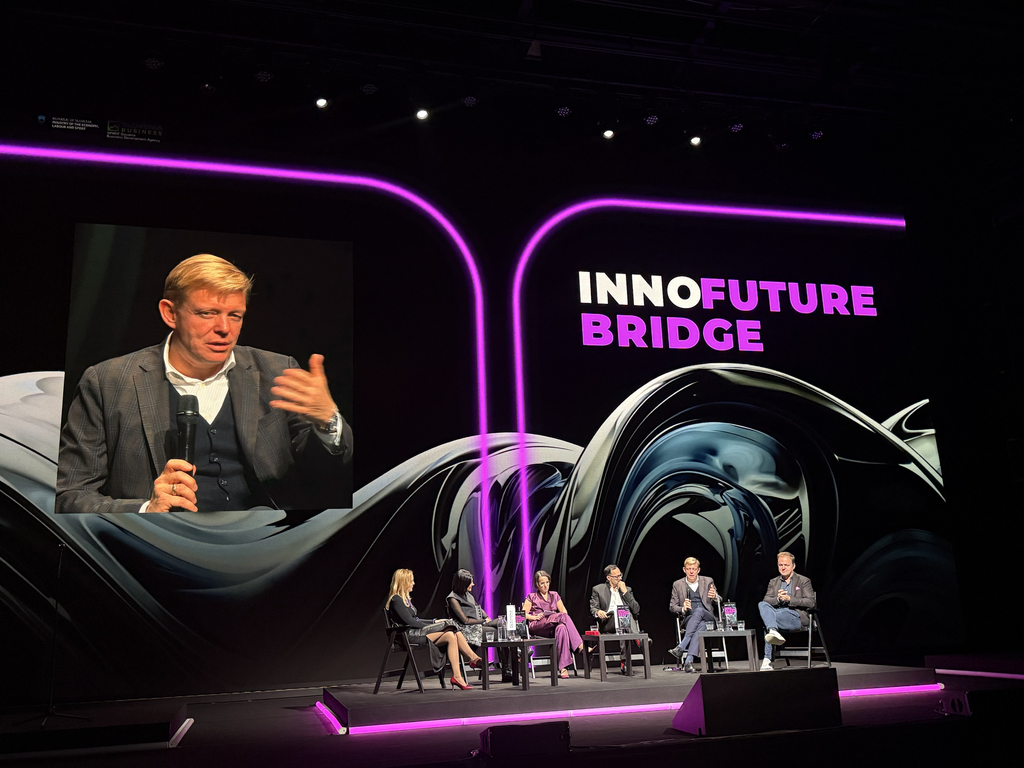
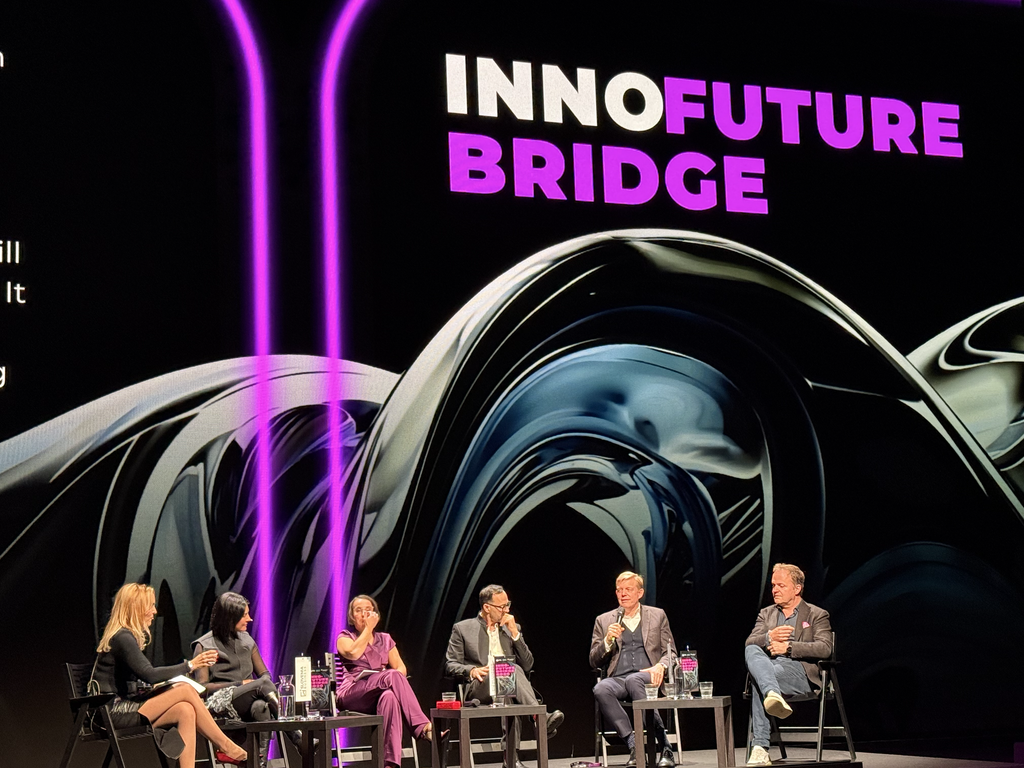
Faeste’s contribution formed part of a wider panel discussion, which also featured Dr Nadya Zhexembayeva, Peter Bakenecker, Petra Štefanič Anderluh and Niko Slavnič. The panellists explored the future of business strategy in an unstable environment, trust in technology, the impact of artificial intelligence on work and education, and the new opportunities emerging from scientific and biotechnological breakthroughs. The discussion highlighted that the future of the economy will be shaped not only by technological progress, but also by people, knowledge, adaptability and informed decision-making.
Technological progress needs trust
Discussions such as those at InnoFuture Bridge are essential to shaping the future we want to create. Bringing different disciplines together, sharing experience and exchanging perspectives help us better understand change and recognise the opportunities it presents. At NIL, part of the Conscia, we believe technological progress must be built on knowledge, trust and responsible development.
This is also at the heart of the Conscia Group’s approach, combining decades of experience, international expertise and local insight to help organisations build secure, reliable and resilient digital infrastructure.
By supporting InnoFuture Bridge, we want to contribute to the dialogue on how technology and innovation can shape a future in which businesses and society can thrive. As Lars Faeste highlighted in his presentation, disruption is not simply something we need to protect ourselves against – it is also an opportunity we must learn to recognise and seize.
We shape the future through knowledge, trust and the courage to embrace change. We cannot prevent disruption, but we can prepare for it and turn it into an opportunity for progress.