
Blog
Leadership in the Age of AI: more human than ever
Every week, leaders face new questions. How do we make the most of artificial intelligence? How do we respond to geopolitical uncertainty? How do we attract and retain talent in an increasingly competitive market?
The world moves fast. Technology seems to move even faster.
Every week, leaders face new questions. How do we make the most of artificial intelligence? How do we respond to geopolitical uncertainty? How do we attract and retain talent in an increasingly competitive market?
These are important questions. But in my experience, they all lead back to a more fundamental one:
How do we build organisations that people trust?
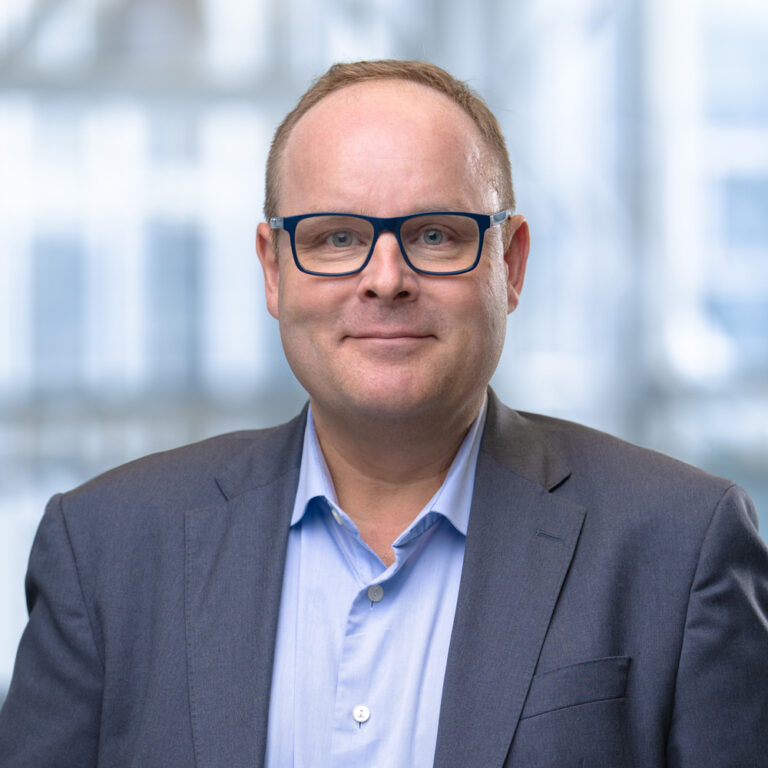
Almost five years ago, I joined Conscia from Microsoft. At the time, we were around 700 colleagues across six countries. Today, we are more than 2,000 people operating across 11 markets. We’ve expanded our capabilities, strengthened our position in cybersecurity and managed services, and welcomed more than 15 businesses into the Conscia family.
That journey has reinforced a lesson I value more with every passing year: growth is not primarily a strategy challenge. It is a leadership challenge.
Sustainable growth comes from people. It comes from creating clarity when things are complex, energy when change feels overwhelming, trust when uncertainty rises, and results that people can believe in.
And as we enter the age of artificial intelligence, these leadership fundamentals are becoming more important, not less.
There is understandable excitement around what AI can help us achieve. It can process information at a speed no human can match. It can identify patterns, accelerate decision-making and help organisations operate more efficiently.
But leadership has never been about processing the most information. Leadership is about judgement, direction and followership.
It is about deciding what matters, making choices when there are no perfect answers, and helping people move forward together.
Artificial intelligence can help us find options. Human intelligence is still needed to choose the right path.
That is why I believe the new intelligence of leadership is not about balancing technology and people. It is about combining the best of both.
The organisations that succeed in the years ahead will not necessarily be the ones with access to the most advanced technology. They will be the ones that create environments where technology strengthens human potential.
They will build cultures where people feel included in change rather than threatened by it. They will create clarity when complexity increases. And they will earn trust through actions, not presentations.
Trust has become one of the most valuable assets any organisation can have
When people trust their leaders, they are more willing to embrace change. When teams trust one another, collaboration becomes easier. When customers trust a business, relationships become stronger and more resilient.
I believe trust creates the confidence to move forward.
In many ways, this mirrors what we see in our own industry. Security is often viewed as a technology challenge, but its real value is much more human. When people feel secure, they can focus on what matters. They can innovate, collaborate and grow. Progress depends on that confidence.
The same is true for leadership. The future will undoubtedly bring new technologies, new business models and new challenges. The tools available to leaders will continue to evolve. The responsibility of leadership will not.
Our role remains to create clarity, build trust, develop people and provide direction through uncertainty.
Technology can help us move faster. But it is trust, courage and human judgement that determine where we go.
That, to me, is the intelligence of leadership. And it may prove to be the most important competitive advantage of all.
The editorial was primarily published in Manager’s Association Journal.



Related
Resources
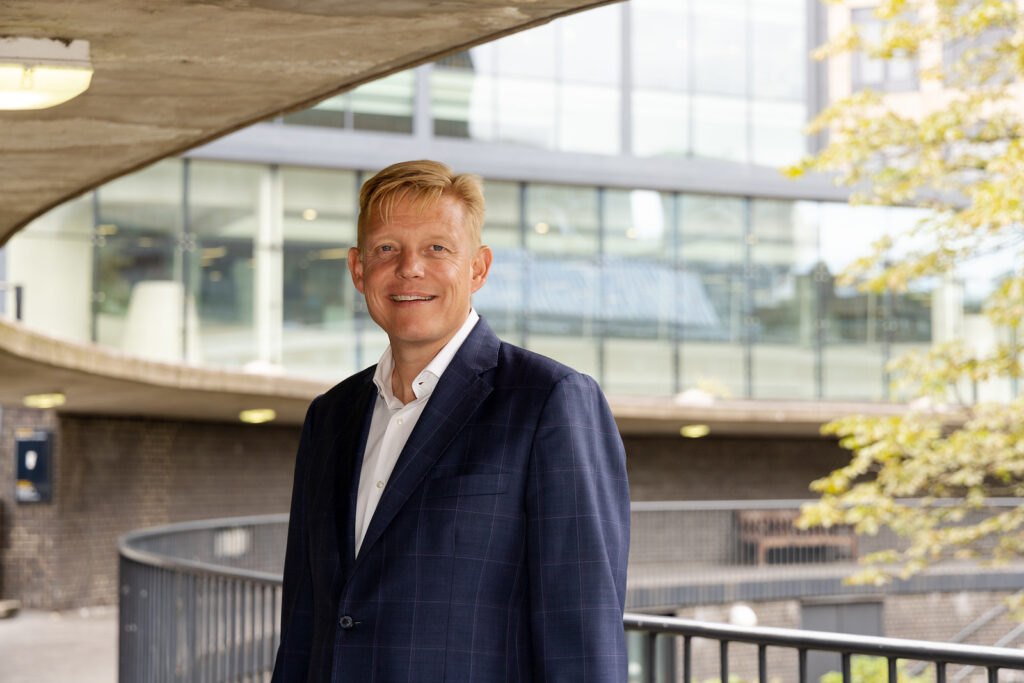
Conscia appoints Lars Faeste as Group CEO as Erik Bertman steps down after a period of strong growth